Kicked Out at 14, He Bought a Broken House for $5 — What It Became Changed Everything
Ethan Walker was 14 years old when he learned how quickly the word «family» could lose its meaning. The house had never felt like home. Not really.
It was a narrow, aging place on the edge of a small Midwestern town, with peeling white paint and a porch that sagged just enough to remind you it was tired. Still, for almost two years, it had been the closest thing Ethan had to shelter after his parents died. Not warmth, not love, just shelter.
That night, the air inside the house felt heavier than usual. The television murmured in the background. Some game showed, though no one was actually watching.
The smell of reheated leftovers hung in the kitchen, sour and faintly burned. Ethan stood near the hallway, his backpack already zipped. His hands clenched so tight his knuckles had gone pale.
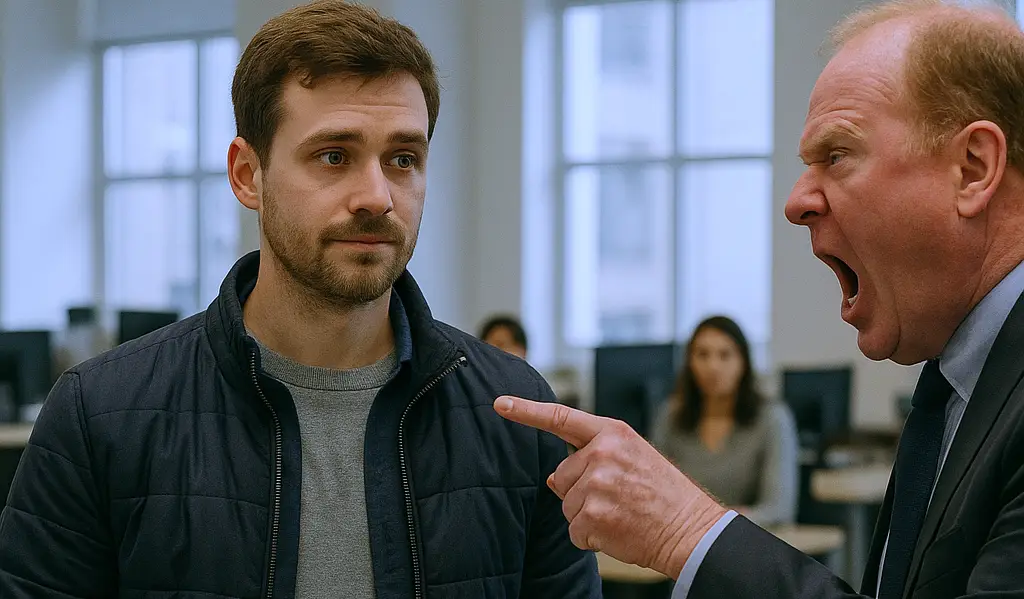
His aunt didn’t yell. That almost made it worse. «You can’t stay here anymore,» she said, arms crossed.
Her eyes fixed somewhere over his shoulder, as if looking directly at him would be too uncomfortable. «We’ve done what we could.»
Ethan swallowed. He had practiced responses in his head a hundred times. Promises to work harder, to stay out of the way, to be quieter, smaller, easier to ignore. But when the moment came, none of the words made it past his throat.
«I’ll sleep in the garage,» he said finally. His voice cracked, thin and embarrassed. «Or the basement. I won’t be any trouble.»
His uncle sighed. It was the kind of tired, irritated sound adults make when they feel inconvenienced rather than cruel. «This isn’t up for debate, Ethan. You’re old enough to figure things out.»
Old enough. The words landed harder than the door that followed.
Ten minutes later, Ethan stood on the front porch with his backpack slung over one shoulder, the strap biting into his collarbone. The porch light flicked off behind him without ceremony. The door closed.
The lock clicked. Final. Absolute.
The October night wrapped around him, sharp and cold. A thin wind scraped through the bare branches of the trees lining the street. Somewhere down the block, a dog barked once, then went quiet.
Ethan stayed where he was for a moment, staring at the door, half expecting it to open again. It didn’t. He walked.
At first, he didn’t know where he was going. He followed the sidewalk out of habit, past houses glowing with warm yellow light, past curtains drawn tight against the cold. Each window felt like a small, private world he no longer belonged to.
Families eating dinner, someone laughing, someone else calling a kid to wash their hands. Ethan kept his head down. By the time he reached the edge of town, his legs ached and his chest felt hollow, like something important had been scooped out and left behind.
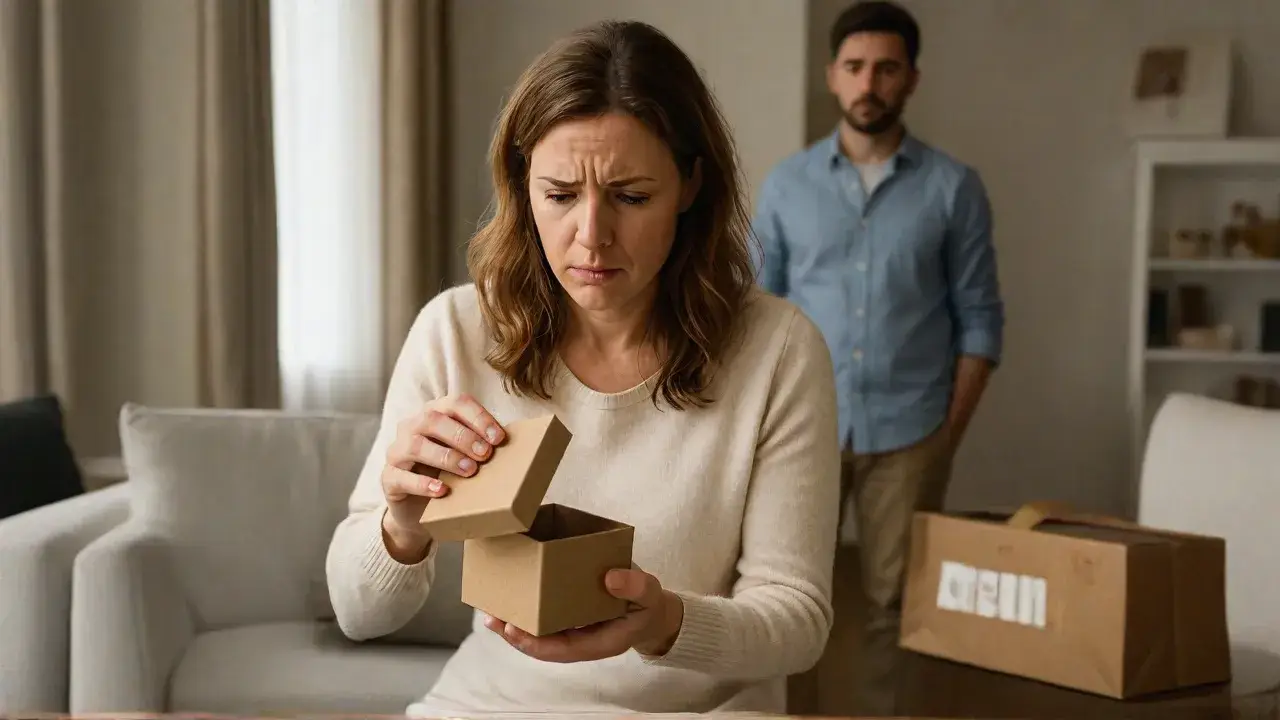
He sat on a wooden bench near the closed feed store and shrugged his backpack off. Inside it were three shirts, one extra pair of jeans, a toothbrush, a folded photo of his parents he never let anyone see, and a small wad of cash wrapped in a rubber band. Five dollars.
He counted it anyway. Once. Then again. As if the number might change if he stared hard enough.
The town was quiet at night, the kind of quiet that made every sound feel louder than it should be. The hum of a distant highway, the creak of the bench beneath him, his own breathing uneven and shaky.
He thought about his parents then, not in the dramatic way people talked about grief, but in fragments. His dad’s laugh, loud and unrestrained. His mom’s hands on his shoulders when she thought he wasn’t listening. The way they used to say, «We’ll figure it out,» even when things were bad.
Ethan wiped his face with the sleeve of his hoodie and stood up. The next morning came gray and unforgiving. Ethan slept curled up behind the feed store, using his backpack as a pillow, waking every hour to the cold seeping deeper into his bones.
When the sun finally rose, it didn’t bring warmth, just clarity. He couldn’t stay like this. That was when he saw the paper taped crookedly to the bulletin board outside the courthouse.
«County auction, unclaimed property.» Most people walked past it without slowing down. Ethan didn’t. He stepped closer, squinting at the faded print. The list was short.
Old farm equipment. Scrap land no one wanted. And near the bottom, almost as an afterthought: «Abandoned house, outskirts of town.»
Minimum bid: five dollars.
Ethan’s heart thudded. The building sat miles outside town. Everyone knew that weather-beaten place; people called it the «dead house» or «that old wreck.» Kids dared each other to go near it in the summer.
Adults talked about it like a bad memory they preferred to avoid. He’d heard the stories. Someone had frozen there years ago. The roof had collapsed. The place was cursed. Useless.
Five dollars. Ethan looked down at the cash in his hand, then back at the paper. A strange calm settled over him, quiet and deliberate.
He didn’t feel brave. He didn’t feel hopeful. He felt decided.
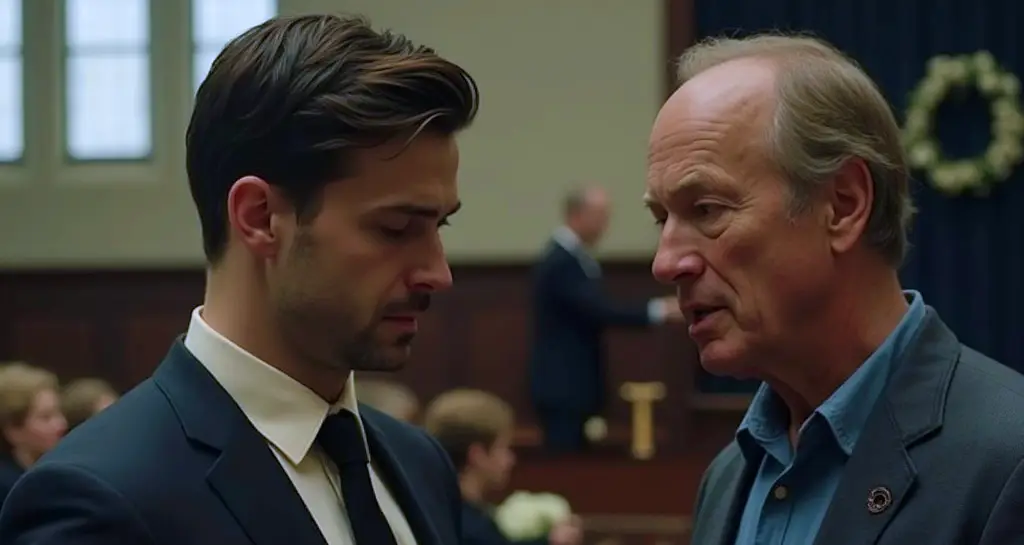
The auction itself was small and awkward, held in a drafty room that smelled of dust and old wood. A few farmers leaned against the walls, hands in their pockets. The county clerk read the items in a bored voice.
Bids came and went without much interest. When they got to the house, the room grew oddly still.
«Five dollars,» the clerk said. «Do I have a bid?»
No one spoke. Ethan raised his hand.
A couple of people chuckled, not unkindly, but with that soft disbelief reserved for kids who didn’t know any better.
«Five dollars,» Ethan said, louder this time.
The clerk glanced at him, surprised, then shrugged. «Any other bids?»
Silence.
«Sold.»
The gavel came down with a dull, final sound. Ethan signed his name with a borrowed pen, his handwriting uneven but determined. When he stepped back outside, the paper deed was folded carefully in his pocket.
The sky was brighter than it had been in days. He didn’t know how to fix a house. He didn’t know how he would survive the winter. But for the first time since the door had closed behind him, Ethan Walker had something that was his.
And that was enough to take the next step.
The walk out to the house took most of the afternoon. Ethan followed a dirt road that thinned into twin ruts, cutting through fields already turning brown with late fall. The town disappeared behind him faster than he expected, replaced by wide-open land and a sky that felt too big for a 14-year-old carrying his entire life on his back.
With every step, doubt crept in. He replayed the laughter from the auction room, the way people had looked at him—not angry, not even cruel, just amused. Like watching a kid try to lift something far too heavy for him. Maybe they were right.
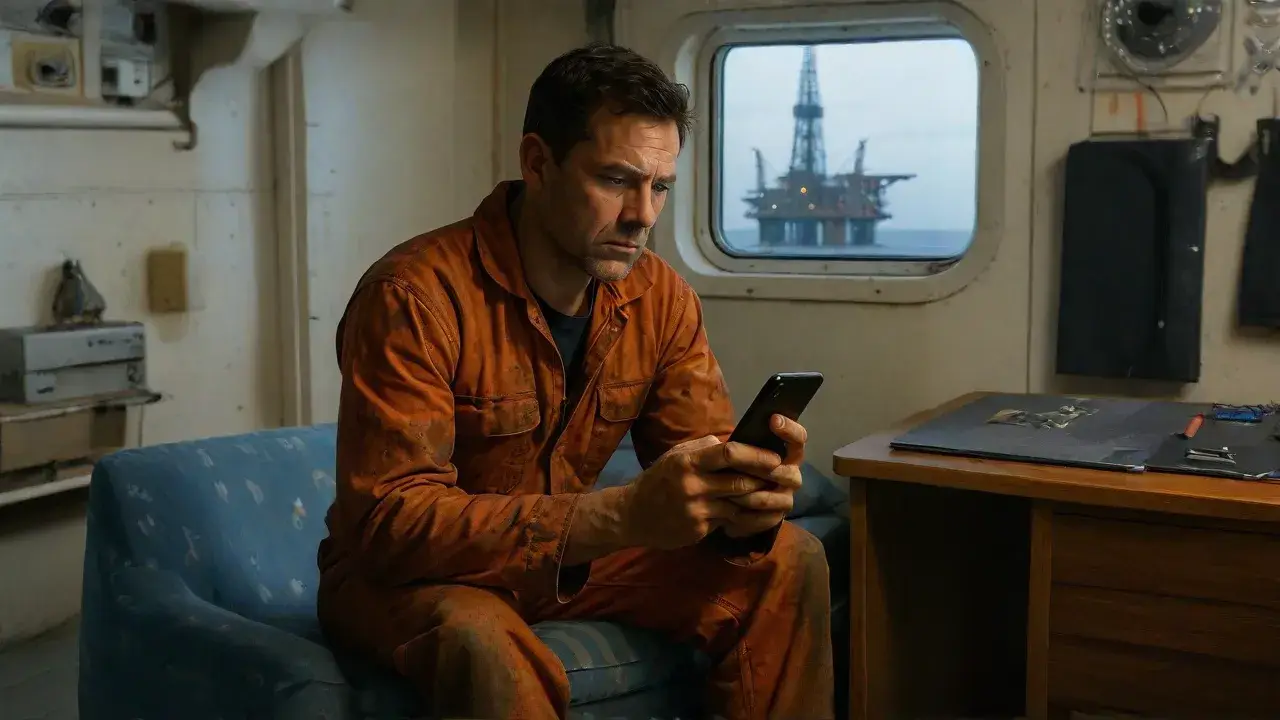
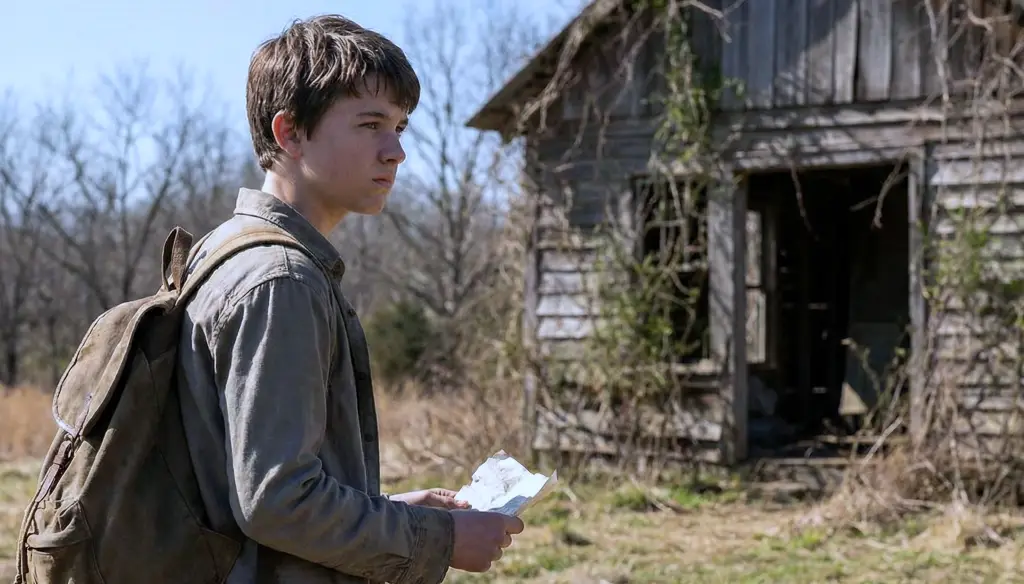
By the time the house came into view, the sun was low and sharp, casting long shadows across the prairie. From a distance, it barely looked like a house at all. It was just a slumped shape against the land, hunched like an old man who had finally given up standing straight.
Up close, it was worse. The roof sagged inward. A section had completely collapsed. Weathered boards hung loose, rattling softly in the wind.
The windows were empty holes, dark and hollow, like missing teeth. The front door leaned crookedly on one hinge, scraping against the frame when Ethan pushed it open. Cold air rushed out to meet him.
The smell inside stopped him in his tracks. Damp wood, old dust, and something faintly sour, like time itself had rotted here. The floor was uneven dirt and warped planks. Leaves had blown in and piled against the walls.
A bird fluttered somewhere overhead, startled by his presence. Ethan stood in the doorway for a long moment, backpack still on his shoulders, heart pounding. This was it. This was what five dollars bought.
He stepped inside. The wind whistled through gaps in the walls, cutting straight through his hoodie. Light filtered down through holes in the roof, illuminating floating dust like tiny sparks.
There was no furniture, no warmth, no comfort. And yet, it was quiet. Not the empty quiet of being shut out, but the open kind. The kind that waited.
Ethan walked the perimeter slowly, counting steps without realizing he was doing it. The house was small, one main room, barely more than a box, with a narrow back section that might have once been a sleeping space. He crouched, pressing his hand against one of the logs.
The wood was rough and splintered, but solid beneath the surface. Not all of it was ruined. He sat down hard on a half-collapsed crate near the wall and let out a breath he felt like he’d been holding since the night before.
His chest ached. His hands shook—whether from cold or fear, he couldn’t tell. He pulled the folded deed from his pocket and smoothed it out on his knee. His name was on it.
For the first time in his life, something official said he belonged somewhere.
That night, Ethan slept inside the house. Not because it was warm—it wasn’t—but because the thought of sleeping outside felt worse. He wedged the door as best he could with a broken plank, spread his jacket on the driest patch of ground he could find, and curled up with his backpack clutched to his chest.
Every sound jolted him awake. Wind scraping wood. Something scurrying in the walls. The distant howl of coyotes.
Cold seeped into his bones until his teeth chattered uncontrollably. At one point, he sat up, hugging his knees, and whispered into the dark, «You can do this.»