A Wolf Family Was Freezing Outside Her Door — Letting Them In Changed Everything
In April, everything changed. Sarah was returning to the cabin at dusk when she heard howling. It wasn’t a sound of distress; it was a sound of victory.
She ran toward the noise. Through her night-vision binoculars, she saw Luna and the cubs surrounding a rabbit. Ash had lunged too early and missed, but Echo had waited, watched, and learned. On his second attempt, he caught it. His first real hunt. Luna howled, and the others joined in. Sarah, hidden behind a tree a hundred meters away, wept.
As spring turned to early summer, the distance between Sarah and the wolves grew exactly as it was supposed to, and it broke Sarah’s heart in ways she had not prepared for. Luna stopped approaching the cabin. The cubs followed their mother’s lead. They slept deeper in the forest now and hunted on their own more frequently.
When Sarah left food, which became less and less frequent, they sometimes didn’t even come. They had found their own meals.
One evening in late May, Sarah saw Luna watching her from the tree line. She was just standing there, observing, like a slow goodbye. Sarah waved. It was a stupid gesture, she knew, but she waved anyway. Luna turned and disappeared into the darkness.
Sarah stood alone in the clearing and let herself cry for the first time since arriving at the cabin. She had been so focused on teaching the wolves to be wild again that she hadn’t processed what that meant. It meant losing them. Permanently.
There would be no visits, no updates, no way to know if they survived or thrived. She would release them, and they would vanish into thousands of acres of wilderness. Sarah realized she was grieving a loss that hadn’t happened yet, grieving while the wolves were still technically hers to protect. But they were not hers. They never had been. She was just the bridge between captivity and freedom.
In early June, Rachel returned for the final evaluation. She spent two days observing, testing, and watching Luna hunt successfully.
«They are ready,» Rachel said finally, sitting with Sarah by the fire. «Luna is hunting. The cubs have learned. They avoid humans now… well, except you. But you are leaving, so that problem solves itself. It is time.»
Sarah had known this day would come. It still hurt like hell. «Where?»
«You choose. Within fifty miles of here, wherever you think they have the best chance.»
Sarah didn’t hesitate. «I know exactly where.»
February 5th. Four years since Ethan died. One year since finding Luna. Sarah drove her pickup truck down Montana Highway 287 with three transport crates in the back: Luna, Ash, Echo.
She stopped at Mile Marker 47, the curve where everything had ended and begun again. The white cross was still nailed to the tree. Sarah opened the crate doors, stepped back, and waited.
Luna emerged first. She smelled the air, recognized this place, knew this place. This was where she lost everything, and where a stranger in the snow had chosen to save instead of abandon. Ash and Echo emerged, already large, powerful, and magnificent.
They looked at Sarah one last time. Their yellow eyes held intelligence, memory, and something that looked almost like gratitude. Sarah knew she was projecting human emotions onto wild animals who owed her nothing, but she felt it anyway.
Sarah wanted to say thank you. Wanted to say I love you. Wanted to say you saved me as much as I saved you. But she said nothing because they were not hers anymore.
Luna took one step toward the forest, stopped, and looked back. Her yellow eyes met Sarah’s brown ones. Then Luna howled—a sound that echoed through the mountains and made Sarah’s chest ache with beauty and loss. Ash and Echo joined in, three voices rising into the February sky.
Then they turned and ran into the forest. Within seconds they were gone, vanished into the trees like they had never existed.
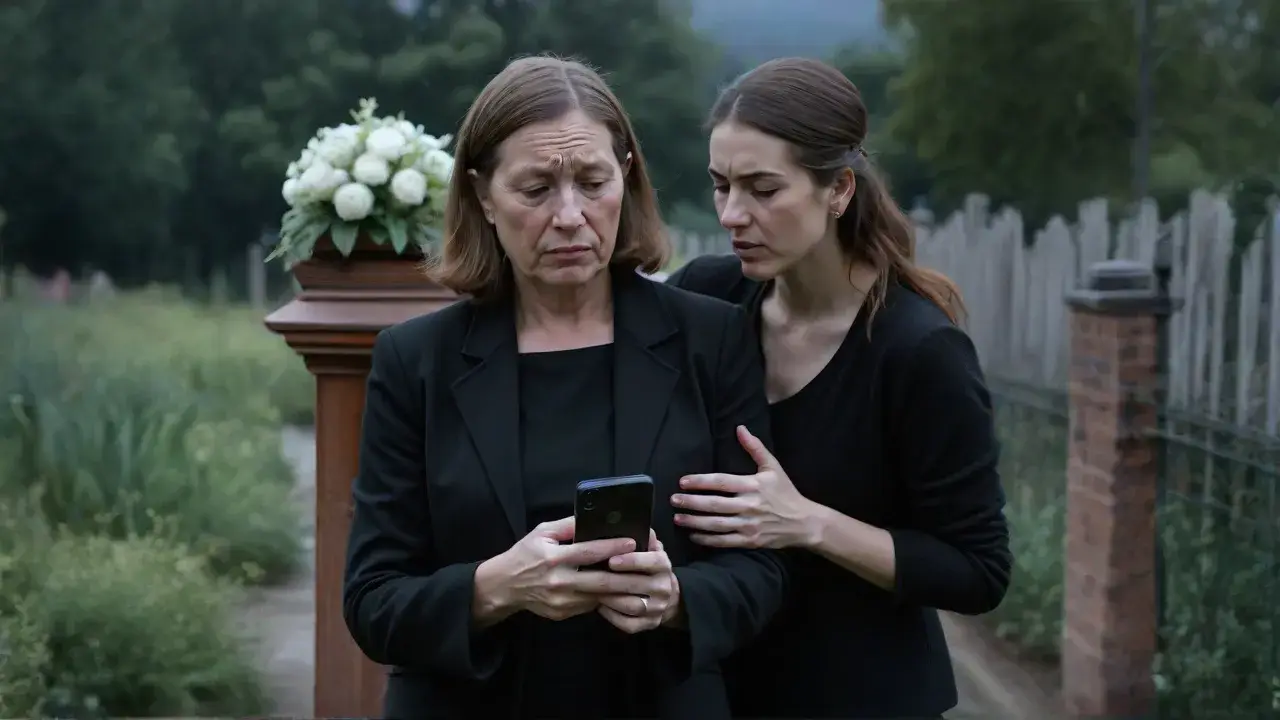
Sarah stood alone on the shoulder of Highway 287 as snow began to fall. She walked to the white cross and placed fresh sunflowers at its base like she did every year. But this year, she also placed something new: a small wooden carving of three wolves she had made during the long isolated months in the cabin. She set it beside Ethan’s flowers.
When she walked back to her truck, she heard it. Howling. Distant, but unmistakable. Three howls. Luna, Ash, Echo. Telling her they were okay. Telling her goodbye.
Sarah got in her truck and started the engine. For the first time in four years, driving past Mile Marker 47, she didn’t feel only pain. She felt something else—something fragile, new, and terrifying. She felt peace.
Sarah didn’t return to Helena immediately. She drove to a truck stop twenty miles down the highway and sat in the parking lot for three hours, engine running, heater on, staring at nothing. If she had cell service, she would have called Rachel to ask if they were okay, but it was better to sit here in silence with the ghosts of wolves and the ghost of her son.
What came next was this: Sarah drove back to Helena, walked into her empty house, and looked at Ethan’s room. For the first time in four years, she opened the door. The smell hit her immediately—crayons, that specific scent of childhood.
She sat on his small bed, surrounded by his toys, and cried. But this time the crying felt different. It wasn’t the desperate sobbing of early grief or the numb emptiness of years two and three. This was softer, cleaner.
She whispered to the empty room, «I will always love you. I will always miss you. But I cannot keep dying with you. I have to try to live.»
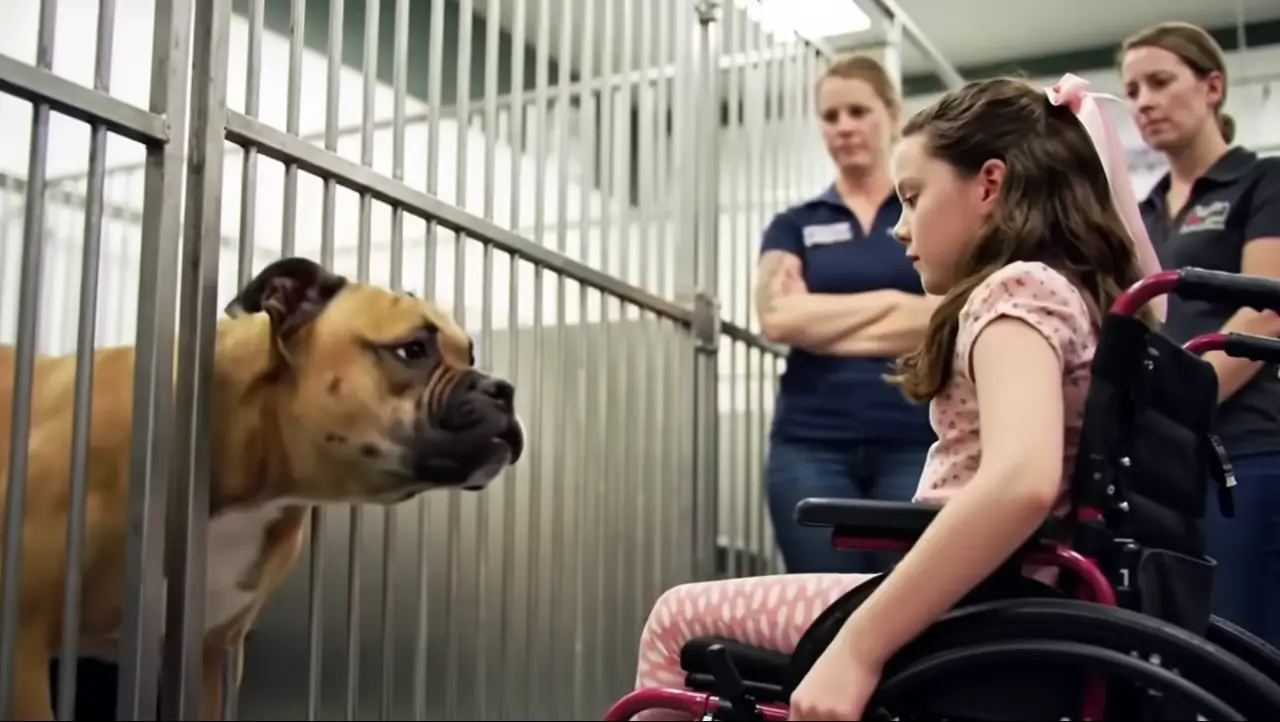
The next morning, Sarah called her boss at the hardware store and took personal leave. Then she went to the animal shelter in Helena. She walked through rows of barking dogs until she stopped at a cage in the back corner.
An older dog, a black lab mix with a greying muzzle, sat there watching her.
«That is Duke,» the volunteer said. «Owner died. No family wanted him. He is a good boy, but people want puppies. He probably won’t get adopted.»
«I will take him,» Sarah said.
Duke gave her a routine. She had to wake up for him, feed him, walk him. Someone needed her—not the desperate need of dying wolves, but the quiet, daily need of an old dog. Sarah started running again, pushing through the ache in her lungs.
In April, Sarah quit her job at the hardware store and used her savings to enroll in online courses for wildlife rehabilitation. If she was going to do this, she needed proper training.