An Ex-SEAL Sniper Bought a Remote Mountain — When Poachers Crossed Her Fence, They Vanished Overnight Without a Trace
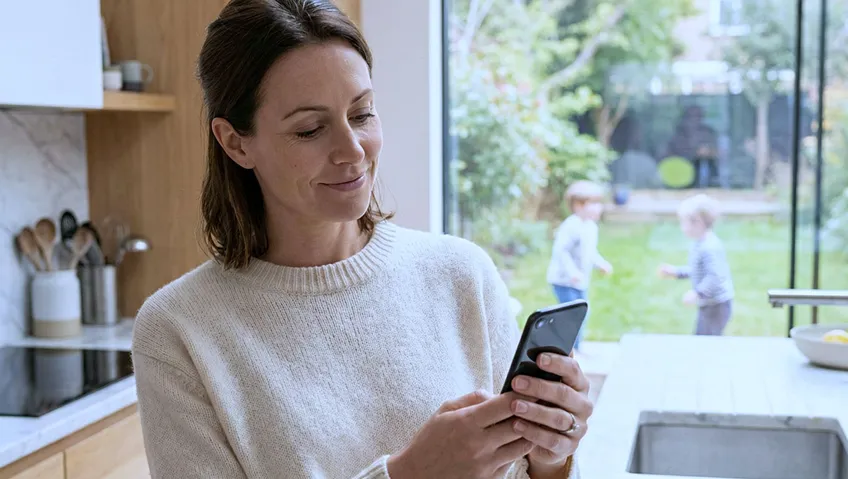
She stared at the phone, thumb hovering over the emergency number, and already knew the result. A dispatcher who would ask for an address that barely existed. A deputy who would arrive hours later, if at all, driving slow through mountain roads and wondering why a woman with a fence and cameras was calling on Christmas Eve.
Slow response. Dismissal. A report written after the fact. Paperwork that explained nothing to the snow.
The mountain did not have time for that. On the screen, the men drifted along the fence line, tapping at posts, watching for weak points, moving like they had done this before. Then they slipped back into the trees and disappeared as smoothly as they came, leaving only fresh tracks pressed into the new snow.
The message was clear. They knew she was there. They knew she had built a perimeter. And they wanted her to know they were not impressed.
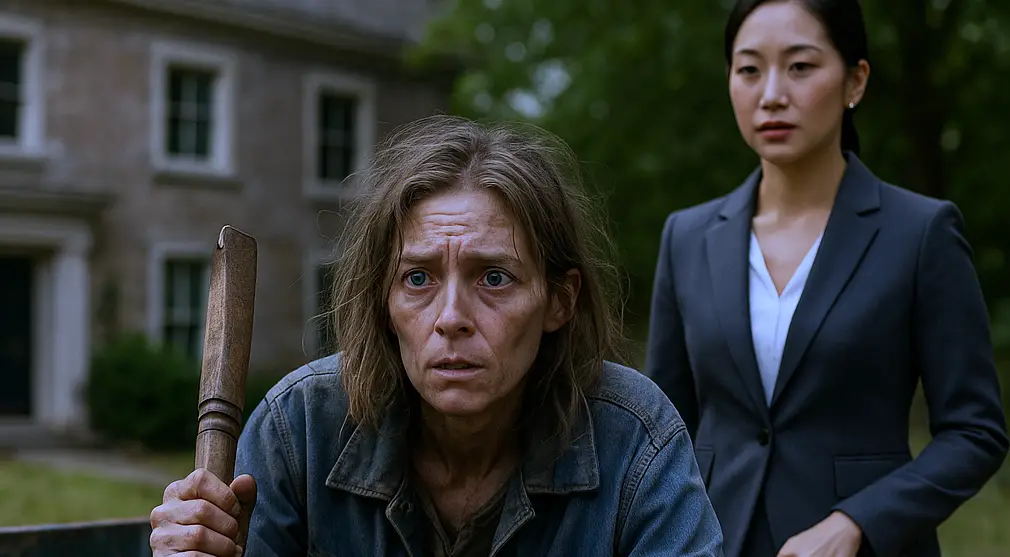
Evelyn kept watching the feed long after it went empty. She did not move. She did not blink much. Her breathing stayed slow, measured, like she was forcing her body to remain in the present.
When she finally lowered the phone, her hand was steady. The quiet inside the cabin returned, but it was not the same quiet. It had teeth now.
Christmas morning came pale and cold, the sky the color of steel. Snow covered the valley floor like a sheet pulled tight. The fence line had nearly vanished under drifts, but the barbed wire still cut a hard line against the white.
Evelyn drove down the mountain anyway. The road was narrow, rutted, and half buried, but she handled it the way she handled everything now: slow and controlled, never giving the terrain a chance to surprise her. In town, holiday lights hung in windows, and people moved with a softness that came from believing they were safe.
Families carried wrapped boxes. Kids dragged sleds. A church sign announced services like the world had never learned to be cruel. Evelyn’s truck rolled past it all without slowing.
At the county sheriff’s office, the building looked tired, like it had absorbed too many small dramas and too few real solutions. Inside, the air smelled like coffee and old paper. The lobby was quiet.
A small Christmas decoration sat on the counter like an apology. Deputy Aaron Cole was working the desk. He was younger than she expected, clean-shaven, shoulders not fully filled out yet, wearing his uniform like he was still learning what it meant.
He looked up with a polite expression that froze halfway when he saw Evelyn’s face. She placed printed screenshots on the counter. Timestamps. Clear images.
Five armed men near her fence line. She had written the details in short, precise lines. Cole glanced at the papers, then at her, then back again. His mouth lifted in a small, dismissive curve, like he was trying not to laugh.
«Ma’am, it’s Christmas,» he said. «People are out hunting. They might have gotten turned around.»
Evelyn did not react. She had been spoken to like this before, by people who thought calm meant weak.
«They weren’t lost,» she said.
Cole shrugged. «You can’t really tell that from a picture. They’re on public land, right? Out by the forest?»
«My fence is not public land,» Evelyn replied, her voice even. «And that spacing is not recreational. They probed the line, tested posts, and assessed my cameras.»
Cole’s eyes flicked up at her. Something in the way she spoke made him sit a little straighter. Most people complained. Most people rambled. Evelyn spoke like she was delivering a report that mattered.
He tried again, softer. «Okay, but even if they were trespassing, you didn’t see them cut through. You didn’t see them shoot anything. You didn’t see them threaten you.»
«I saw professionals evaluating access,» she said. «And I’m reporting it before it becomes violence.»
Cole shifted in his chair. His tone changed, not into respect yet, but into that careful neutrality people use when they start deciding you might be the problem. Behind him, two other deputies had slowed down as they walked past.
One pretended to look at a bulletin board, listening. Another lingered near the hallway, head tilted slightly, paying attention without admitting it. A heavier door opened in the back, and an older sergeant stepped out.
Sergeant Paul Granger. Thick neck, gray creeping into his hair, the posture of someone who had seen enough to stop being surprised by human behavior. He did not smile. He simply watched the exchange for a long moment, his eyes moving from Evelyn’s screenshots to her face, then back again.
Evelyn felt him clock the details without saying a word. Cole cleared his throat.
«We can take a report,» he offered, «but response times up there are… slow. Weather’s bad. Roads are rough. And you really shouldn’t confront anyone yourself.»
Evelyn held his gaze. «I’m not asking you to hunt them down today,» she said. «I’m asking you to understand what those men are.»
Cole’s lips pressed together. He slid the papers back like they were hot.
«We’ll note it,» he said. «But also, the mountains don’t really belong to anybody. People have always moved through those woods.»
Evelyn’s eyes hardened, just slightly, like a door closing.
«The deed says otherwise,» she replied.
The words landed in the lobby like a quiet slap. No yelling. No drama. Just a fact. Cole’s face flushed. The other deputies looked away.
Sergeant Granger kept watching, and if there was a shift in him, it was subtle. Not approval yet, but recognition that Evelyn was not just a nervous homeowner. Evelyn left before the conversation could circle into emptiness.
Outside, the cold snapped at her cheeks. She sat in her truck for a moment, hands resting on the wheel, letting the frustration settle without letting it grow. Then she drove to the only place in town where truth traveled faster than official statements.
The diner was open, warm, and crowded with locals trying to pretend the world was gentle. Coffee smelled like comfort. Plates clattered. A few men in worn jackets talked too loudly at a corner table, laughing the way people do when they want everyone to know they are not afraid of anything.
Eleanor Briggs was there, sitting alone with a mug and a calm face. She looked up as Evelyn entered, and her eyes read the tension immediately. Evelyn slid into the booth across from her.
«I had company,» she said.
Eleanor did not ask what kind. «How many?»
«Five,» Evelyn answered.
Eleanor’s jaw tightened just slightly. «Then it’s starting early this year.»
Evelyn watched her. «You know who they are.»
Eleanor took a slow sip of coffee, buying time the way people do when they want their words to land correctly.
«It’s a network,» she said. «Not kids shooting deer for the freezer. Contractors. Men who move like they’ve got training, because some of them do. They take elk, bear, lion. They sell parts that don’t stay in this county. They’ve been doing it for years.»
«And the sheriff hasn’t stopped them,» Evelyn said, not as a question.
Eleanor let out a small, humorless sound. «People talk. Then they stop talking. Tires get slashed. Dogs go missing. Folks recant. Cases fall apart.»
Evelyn’s fingers tightened around her own mug, not because she was angry at Eleanor, but because every part of this felt familiar. Systems failing. Fear winning.
Eleanor leaned forward. «There’s a man behind it,» she said quietly. «He never gets his hands dirty. He stays clean and lets others do the work. You won’t see him with a rifle. You’ll see him with money.»
Evelyn’s eyes stayed on Eleanor’s face. «What’s his name?»
Eleanor hesitated, then said it anyway, like speaking it out loud invited trouble. «Kincaid.»
The name sat between them, heavy and ugly. Evelyn did not know the man, but she knew the type. Always one step removed. Always protected by distance.