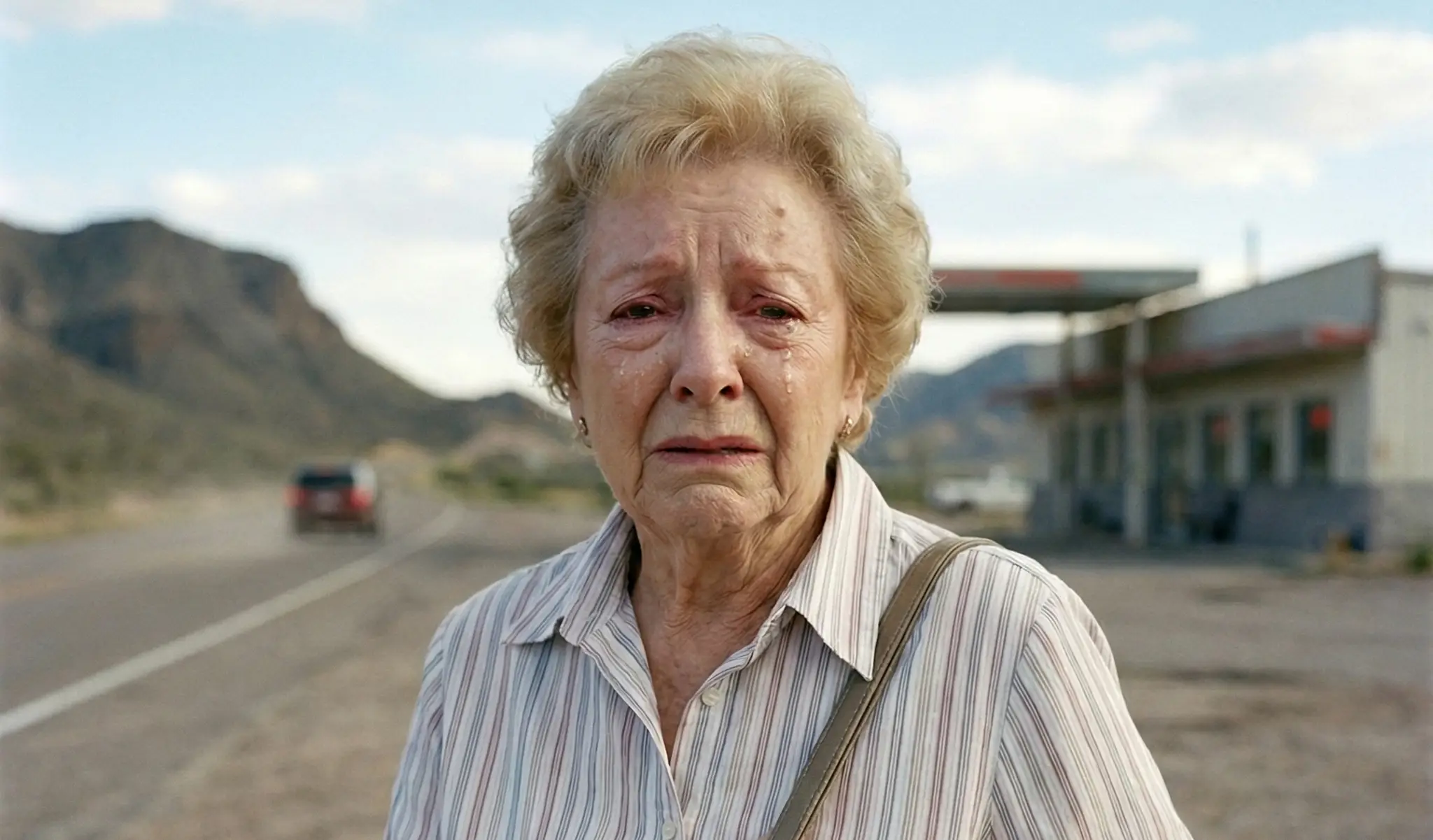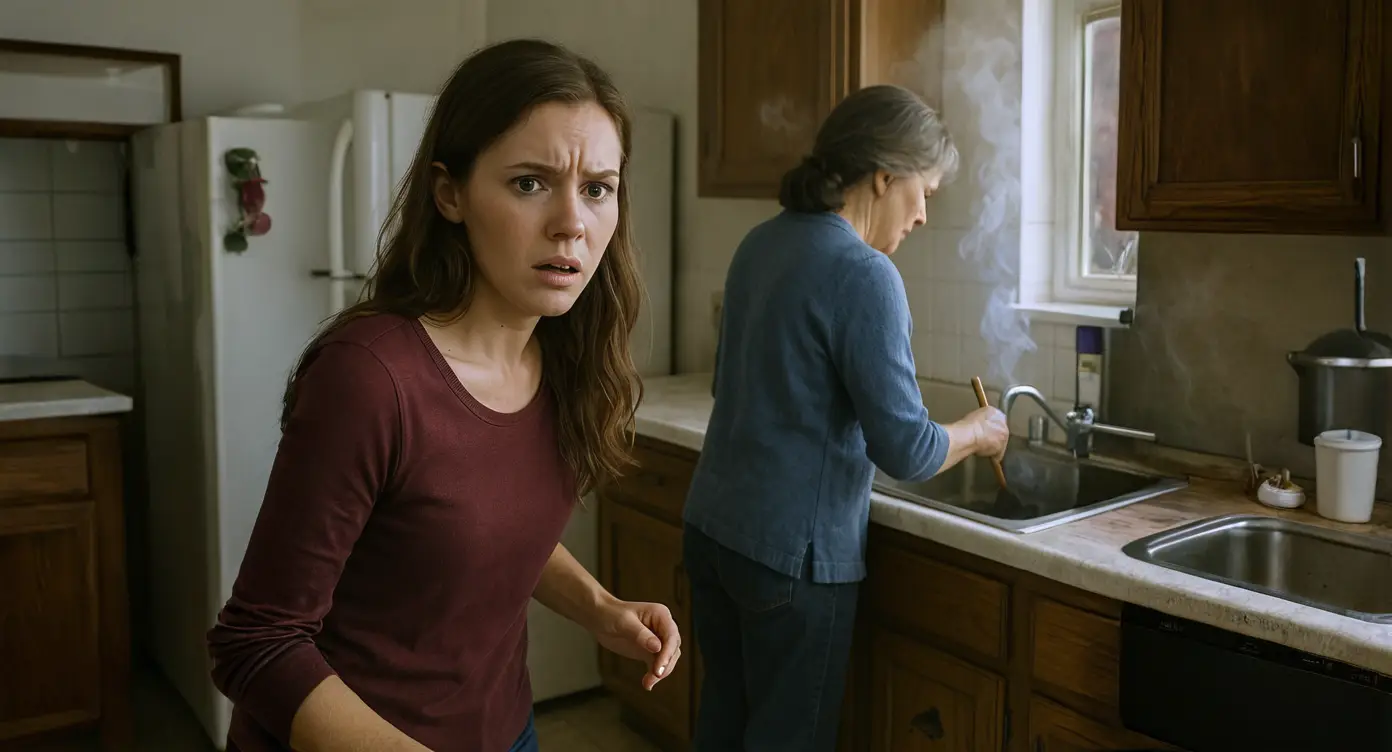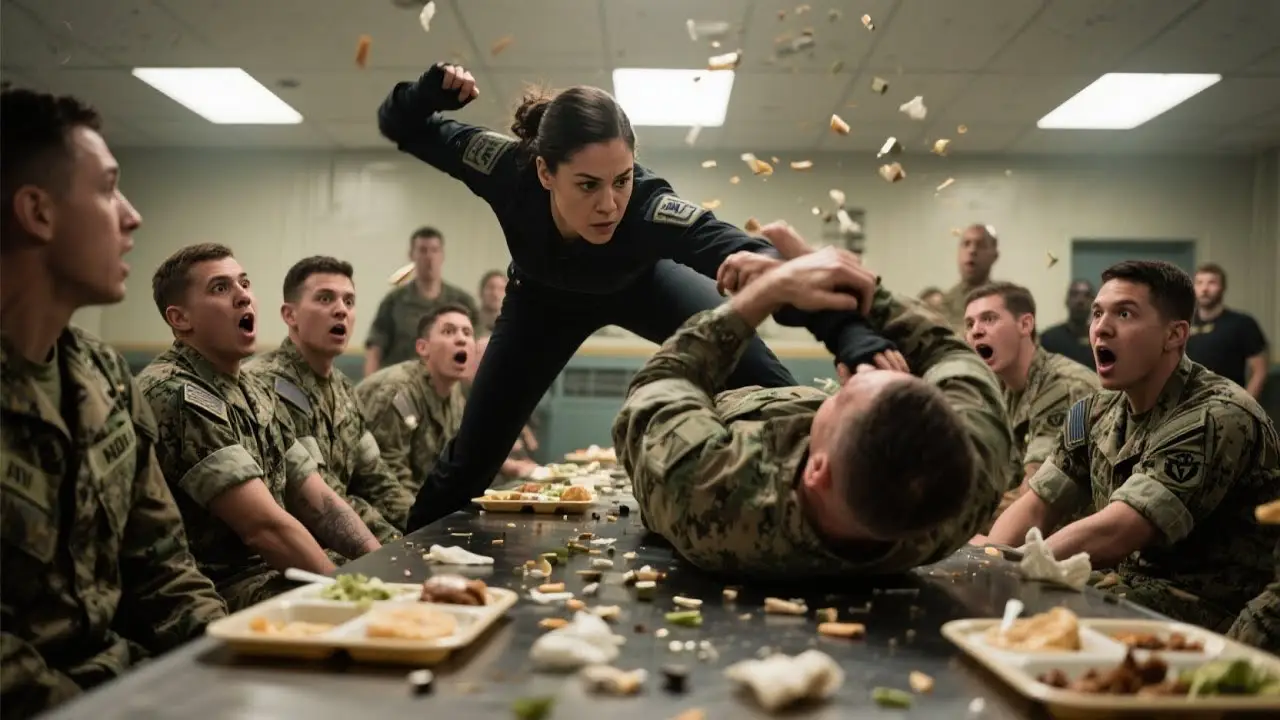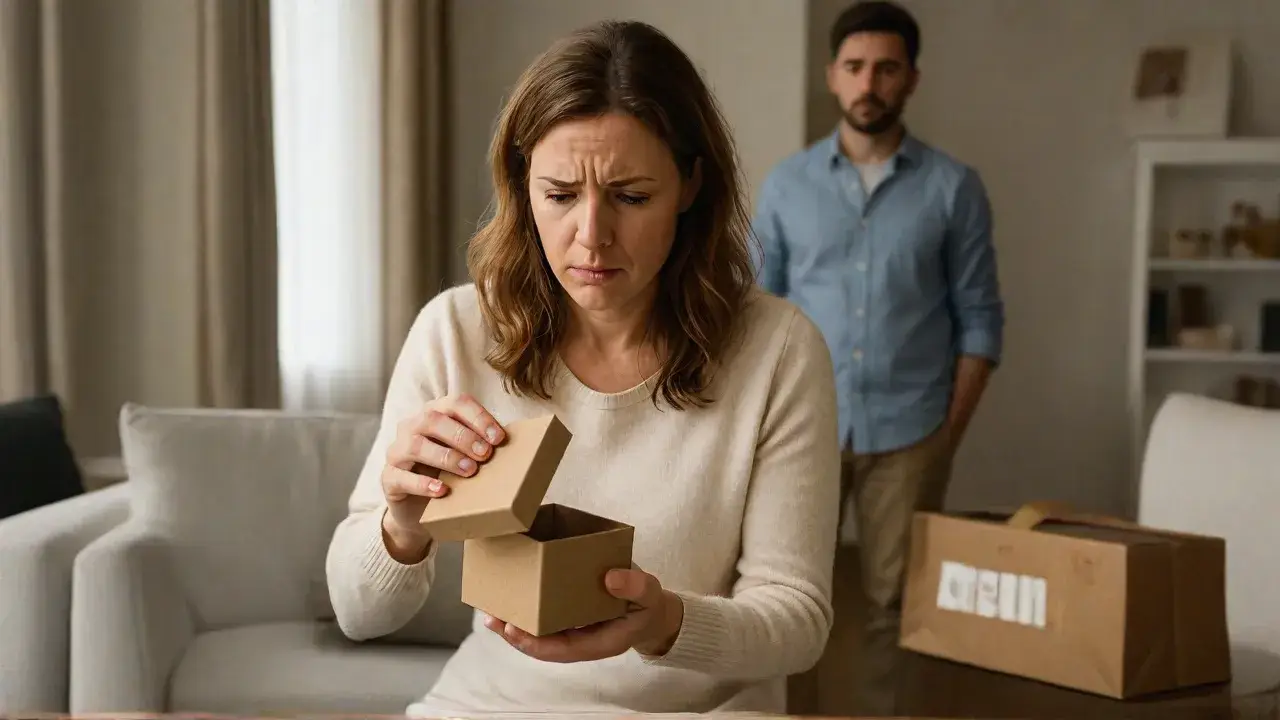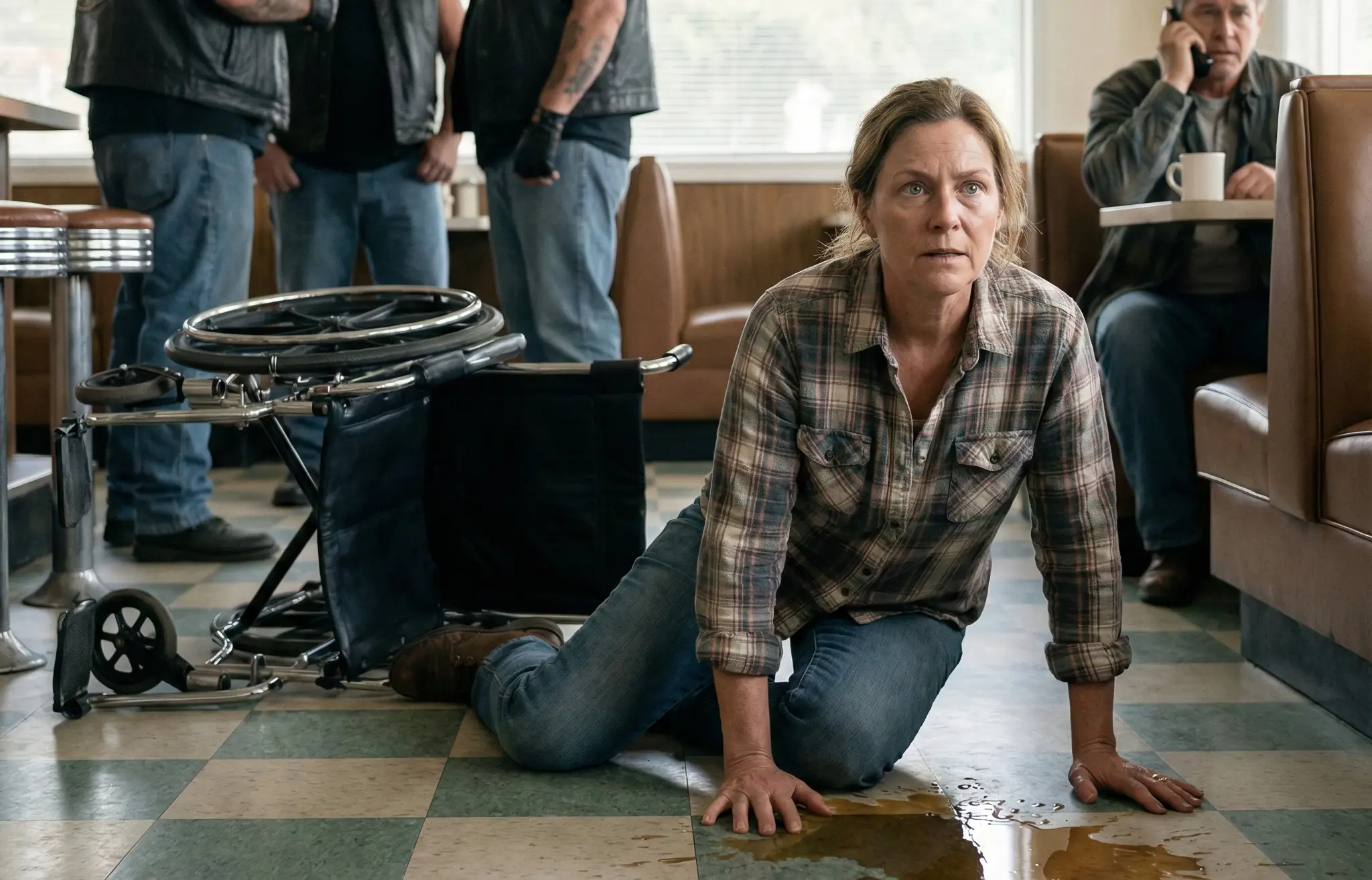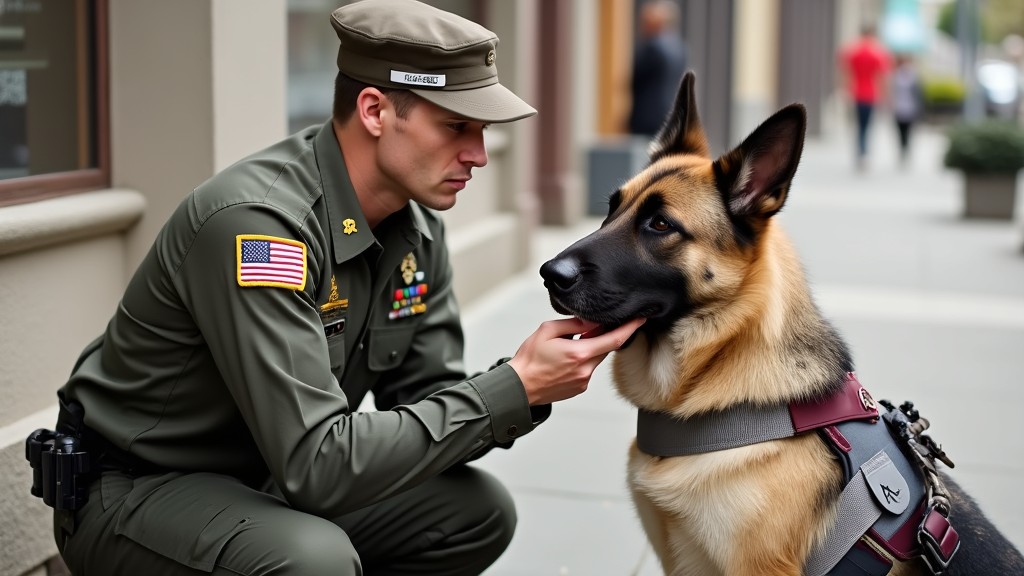
I came home in a wheelchair, hoping my family would be glad I was alive! Instead, their first question was about money… and what happened next changed our relationship forever
«We need to refinance,» Dad said. «You know the plant’s been cutting hours. Your brother’s had trouble finding something steady. With your credit and VA payments, they’ll approve us.»
Mom chimed in, «The house is in all our names, really. We’re a family. Families help each other.»
I took a slow breath. «You tried to put my name on something without asking.»
«That was a mistake,» Mom said quickly. «We should have told you first. But we thought you’d understand. This house is all we have.»
Dad’s eyes narrowed. «You lived here rent-free for eighteen years. We fed you, drove you to school, paid for your cleats and your books. We helped you when you wanted to play soldier.»
«Serve my country,» I corrected quietly.
He waved that off. «Point is, you owe us.»
The old me might have flinched at that. The me who lay awake at night in Basic Training wondering if I was selfish for wanting a different life. The me who tried to win their approval with every achievement. That girl was gone.
«You’re asking me,» I said slowly, «to sign onto another loan when you’re already behind on the mortgage?»
Dad’s jaw tightened. «We wouldn’t be behind if the economy wasn’t a mess.»
«And if certain people around here actually held a job,» my mother added, flicking a pointed glance at my brother, who just shrugged and scooped more potatoes.
«So you want my credit, my disability check, and my signature,» I said. «Anything else?»
Mom’s lips thinned. «You don’t have children. You don’t have a husband. It’s not like you have real responsibilities. We’re all each other has.»
In another house, in another family, that might have been a beautiful sentence. Here, it sounded like a chain.
My brother finally spoke, not looking up from his plate. «It’s not a big deal, Katie. Just sign.»
«It is a big deal,» I replied. «If you default, I’m on the hook. I’m already attached to old debt I never agreed to.»
Dad stabbed a piece of meat hard enough that his knife scraped the plate. «Listen, we’re not asking you to go back to work in the fields. Just to sign a few pieces of paper. You think you’re too good for us now because you wore a uniform?»
The way he said uniform made it sound like a Halloween costume.
My heart pounded, but my voice stayed calm. Years of training had drilled that into me: steady breathing, clear words, controlled tone. «I’m not too good for you,» I said. «But I won’t let you use me. Not anymore.»
The temperature in the room dropped ten degrees.
Mom leaned forward, hands clasped, voice softening in that way she used when she wanted to maneuver someone. «Katie, honey, we’re your parents. We’re not perfect, but we’re all getting older. We can’t start from scratch. Don’t you want to help us stay afloat? Think of your father’s health. Think of your brother’s future.»
I thought about the midnight conversation I’d overheard. The forged signature. The messages after I sent that photo from the hospital.
Dad: Don’t expect us to take care of you.
Mom: You’d better still have your savings.
My brother’s little heart emoji.
I looked my mother in the eye. «I am thinking of the future,» I said. «Mine.»
My brother snorted. «Wow. Cold.»
«Cold?» I turned my head toward him. «You liked Dad’s message when he told me not to expect care. You only called when you realized my name still carries weight at the bank.»
His face flushed. «That’s not—»
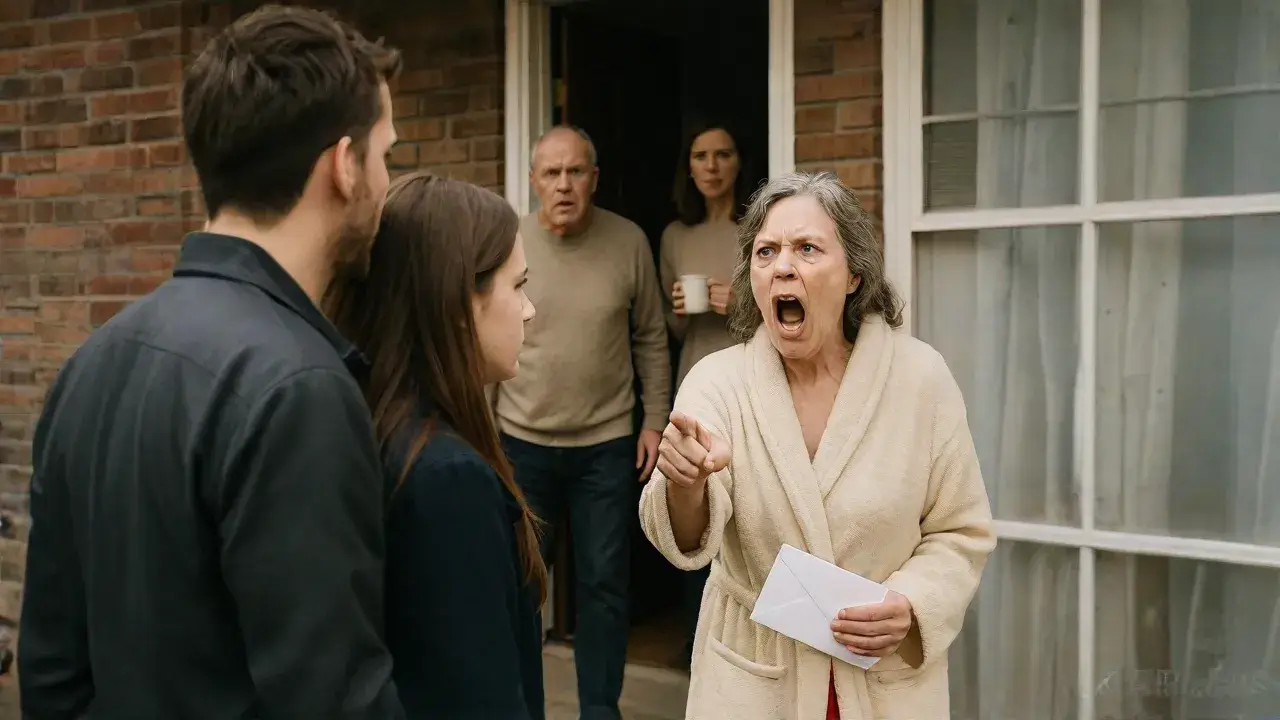
Dad slammed his hand on the table. The plates rattled. «Enough! This isn’t about hurt feelings. This is about survival. We need you to sign.»
There it was. No more pretending.
I pushed my chair back a bit. The wheels squeaked on the old hardwood floor. «No.»
The word hung in the air, small but solid.
Dad stared at me like I’d spoken another language. «What did you say?»
«I said no.»
Mom’s eyes filled with tears—not of sorrow, but of anger and wounded pride. «After everything we’ve done for you…»
«What have you done for me?» I asked quietly. «Really? You didn’t come to my graduation. You didn’t come when I got my Trident. When I was blown up in Afghanistan, you didn’t call the first week. When I sent a photo in a wheelchair, you asked about my money, not my life.»
No one spoke. I went on, because once the truth starts pouring out, it’s hard to stop.
«You don’t see me,» I said. «You see a credit score. A government check. A way out of debt. I nearly died. I lost the use of my legs. And you’re asking me to go deeper into something that only benefits you.»
«You’re making this about you,» Dad growled.
I almost laughed. «It is about me.»
The room shook with a sudden, raw silence. I felt a strange calm settle over me then—not the numbness of shock, but the stillness of a decision finally made.
«I won’t sign,» I said. «And I meant what I texted. Take my name off every family loan, every joint account, every line where you used me as a safety net.»
Mom’s chair scraped backward as she shot up. «That will ruin us.»
«It’s already ruined,» I replied. «You just don’t want to admit it.»
My brother muttered something under his breath about «ungrateful» and «thinks she’s a hero.» I didn’t catch it all. I didn’t need to.
I backed my chair away from the table. My wheels bumped against the doorway.
«Where do you think you’re going?» Dad demanded.
I looked at him—really looked at him. The lines on his face had deepened. His hair had thinned. He was older, more tired. But the stubbornness in his eyes was the same as the day I told him I’d enlisted.
«I’m going,» I said, «somewhere I can breathe.»
I rolled down the hallway, past the photos on the wall—school pictures, holiday snapshots, a younger version of me laughing with braces and crooked bangs. At the front door, I had to wrestle with the threshold, the old wood catching the front casters of my chair. Nobody came to help.
Outside, the air was cool, tinged with the smell of cut grass and someone grilling burgers two houses down. The sky was painted in streaks of orange and pink, one of those Midwestern sunsets that could make even an old factory town look beautiful.
I transferred into my car slowly, muscles protesting from the long day. Hoisting myself into the driver’s seat was harder when my arms were shaking from adrenaline, but I did it. I’d learned to do hard things.
I sat there a moment, hands on the wheel, breathing. No one followed me out. No one called my name.
I started the engine and pulled away from the curb without looking back.
That night, I parked at a rest stop off the interstate. A few semis idled in the lot, their engines humming low. An older couple in an RV sat at a picnic table, sharing a sandwich and a thermos of coffee. Somewhere, a dog barked.
I reclined the seat as far as my stiff back would allow and stared up through the windshield at the stars. Afghanistan had different stars—sharp and cold, hanging over a foreign desert. These were softer, familiar, the kind you grow up making wishes on.
I didn’t make a wish. I made a promise. I would never again beg people to love me who only saw me as a resource.
My phone buzzed once on the console. I didn’t pick it up.
In the morning, I told myself, I’d go back to the VA. I’d talk to someone who knew what it meant to come home to a battlefield you never expected. Because sometimes, the hardest war isn’t overseas. It’s right where you were born.
Morning came softly at the rest stop, the kind of gray-blue dawn that makes the world look gentler than it really is. I blinked awake to condensation on the windshield and the low rumble of a diesel truck pulling out. My back ached from sleeping half-upright, and my arms felt tight from transferring in and out of the chair the night before. But my mind—my mind was clearer than it had been in months.
I knew what needed to happen.
I stretched, reached for my chair in the passenger side, and transferred down carefully. A trucker walking by paused and gave me a nod. Not pity, just a nod. Respectful. The kind you give someone who’s been through something.
«Morning,» he said.
«Morning,» I replied.
«Need a hand?»
«No,» I smiled. «But thank you.»
He tipped his cap. «God bless you.» Then he walked on. It was such a simple thing—human decency—but it warmed me more than any words my family had said since I came home. Funny how strangers can offer more kindness than people who share your blood.
By 7 A.M., I was back on the road, heading toward the VA center. It felt like the only place where my injury wasn’t a burden, where no one expected me to hide pain or pretend the blast hadn’t changed everything.
When I wheeled through the automatic doors, the scent of coffee and floor wax wrapped around me like a familiar blanket. Carol spotted me instantly.
«Well, look who came strolling in,» she said. «Or rolling in. You know what I mean.»
I couldn’t help a small laugh. «Rough night.»
She studied me with that gentle but sharp gaze. Older nurses have the kind of vision that sees every wound, even the invisible ones. «Family?»
«Yeah.»
She reached out and squeezed my arm. «Sometimes the worst injuries happen in kitchens, not battlefields.»
I swallowed. «You’re not wrong.»
I asked if I could speak to the VA social worker, and she pointed me down the hallway. The social worker, a man named Frank, was mid-fifties, a former Army MP with kind eyes and a voice like gravel soaked in warm water. He listened—really listened—as I told him what I’d overheard, what my parents wanted, the forged signature, the pressure at dinner.
Every word felt heavy coming out, but he didn’t interrupt, didn’t judge. When I finished, he leaned back in his chair.
«Kate,» he said softly, «you have more strength than you realize. What your family did, or tried to do, is financial exploitation. It’s more common than you’d think, especially when a veteran comes home injured.»
I looked down at my hands. «I don’t want to hurt them. I just can’t let them hurt me.»
«That’s not cruelty,» he said. «That’s survival.»
He connected me with a legal advisor the VA partners with—pro bono services for veterans dealing with financial or housing exploitation. The attorney, a woman named Denise, called me that afternoon.
«Ms. Miller,» she said, «I’ve seen cases like this before. You’re not alone, and you’re not powerless.»
Powerless. It was the first time anyone had said the word out loud, and suddenly I realized that’s exactly how my family wanted me to feel—like the wheelchair had taken everything from me, including my choices.
Denise explained the process step by step. First, request removal from all joint loans. Then, freeze my credit temporarily to prevent new accounts. Notify the bank about the forgery. Remove myself from the house deed. Close any shared accounts. Document everything.
It sounded overwhelming, but she broke it down into pieces, and by noon the next day, we were already in motion.
I didn’t feel triumphant. I didn’t even feel vengeful. Mostly, I felt tired. Tired of being afraid. Tired of being guilted. Tired of letting other people decide the terms of my life.
That afternoon, I met with a financial counselor at the VA. She wore a cardigan with tiny embroidered turtles on it and had a voice so calm it made you feel like things might actually be okay, even when they weren’t.
«We’re going to get you stable,» she said. «One brick at a time.»
Brick by brick. That’s how SEALs build their strength. That’s how veterans rebuild their lives. It made sense.
Together, we reviewed my accounts. She flagged every line where my parents’ names appeared, every shared card, every debt I’d unknowingly helped carry. It was a lot. But by the end of the meeting, I had a plan. Not revenge in the dramatic Hollywood sense. Not slamming doors or screaming into the wind. A quieter revenge. A legal one. A moral one. A reclaiming of myself.
I filed the freeze on my credit. I signed papers officially requesting removal from the mortgage. I submitted a fraud report regarding the forged signature. I changed passwords, security questions, locked accounts.
I didn’t tell my family any of it. They’d find out soon enough.
By the end of the week, I’d moved into a small, wheelchair-accessible apartment complex ten minutes from the VA. The building wasn’t much to look at—tan siding, narrow balconies—but inside, it was warm, clean, and mine.
A little table just big enough for two. A recliner someone donated. A bed low enough for me to transfer into without a fight. A window with a view of the flagpole out front. Home didn’t have to mean where you were born. Sometimes, home was where you were allowed to exist.
One evening, as I unpacked my duffel bag—the same one I’d carried through deployments—I found my old SEAL Trident pinned inside the lining, safe from dust and fingerprints. I held it for a long moment. Not out of pride, though I did feel that. Not out of grief, though I felt that too. But because it reminded me that even if my legs weren’t coming back, my backbone was still intact.