Nurse Carried Pregnant Woman Through 200 Stairs During Contraction, Unaware She Owns the Hospital
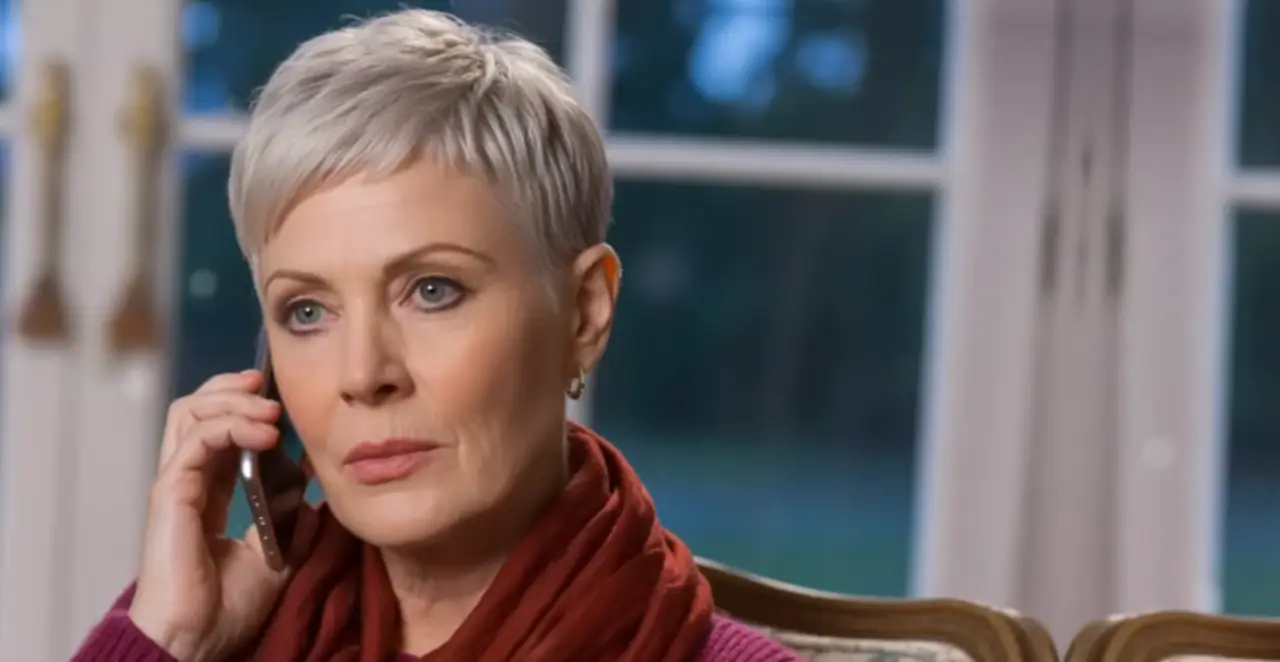
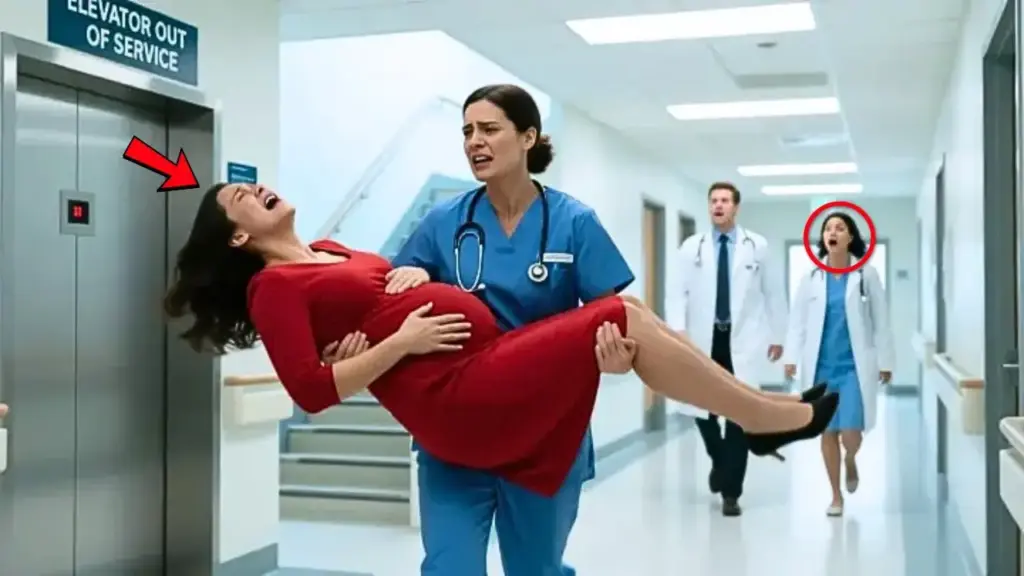
The hospital had just fired her. Diana stood in that empty lobby, her nursing badge still warm in her pocket, wondering how she’d pay rent next month. Then she heard it: a cry of pain that made her blood run cold. A pregnant woman was on her knees, water breaking, contractions coming fast. The power was out, elevators dead, and no doctors in sight. And Diana? She wasn’t even employed anymore. She could have walked away. Nobody would have blamed her. But this ex-marine turned nurse had never abandoned anyone in her life. And she wasn’t about to start. What happened in the next hour would cost her everything she had left, and give her something she never saw coming.
Diana’s hands rest on her lap, but they won’t stop trembling. She sits in a chair that feels too small, facing a desk that feels too large, and the woman behind that desk, Mrs. Thornton, the hospital’s administrative supervisor, has eyes like winter glass.
Cold. Unblinking. Final.
The office is sterile. Everything about it screams bureaucracy: beige walls, framed certifications that mean nothing in this moment. A clock is ticking somewhere Diana can’t see, but she feels every second like a hammer strike.
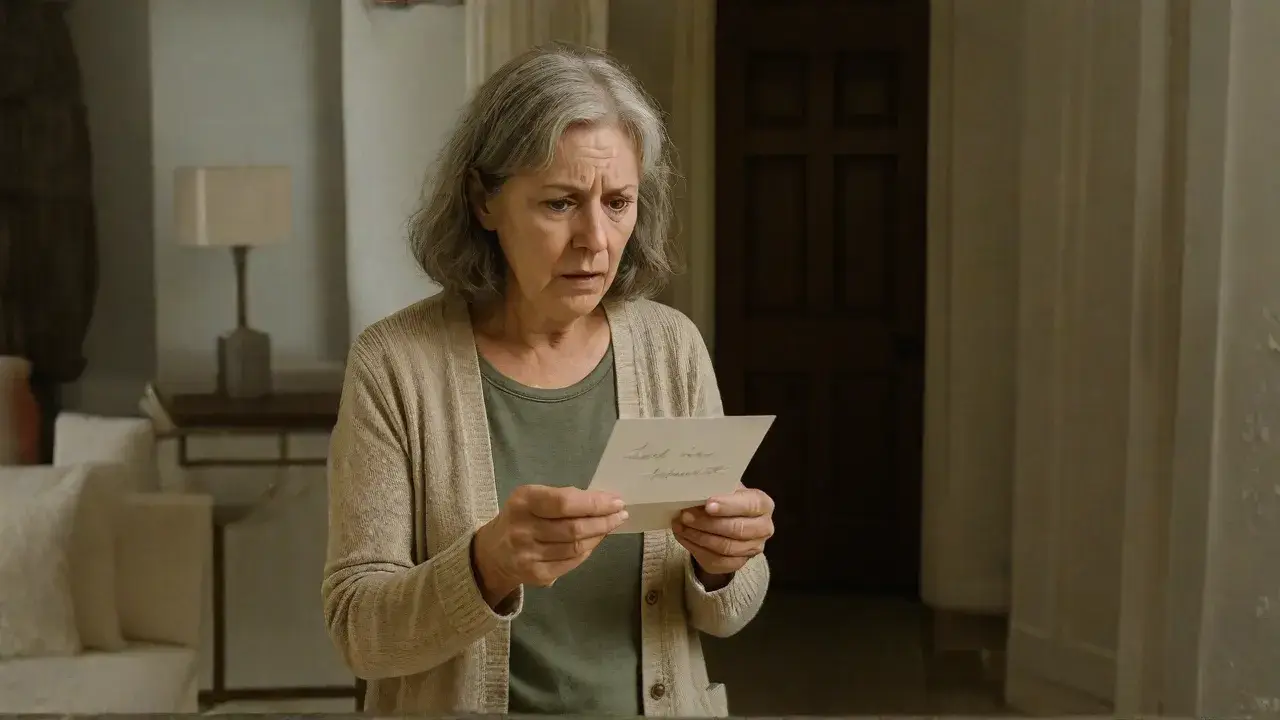
Mrs. Thornton slides a single sheet of paper across the desk. Diana doesn’t need to read it. She already knows what it says.
She’s known since the moment she was summoned here twenty minutes ago, told to come immediately, no explanation given. “Insubordination,” Mrs. Thornton says, her voice flat and practiced, like she’s reading from a script she’s delivered a hundred times before. “Poor team dynamics. Unprofessional conduct unbecoming of a senior nurse.”
Diana opens her mouth to respond, but nothing comes out. Her throat is dry. Her mind is racing.
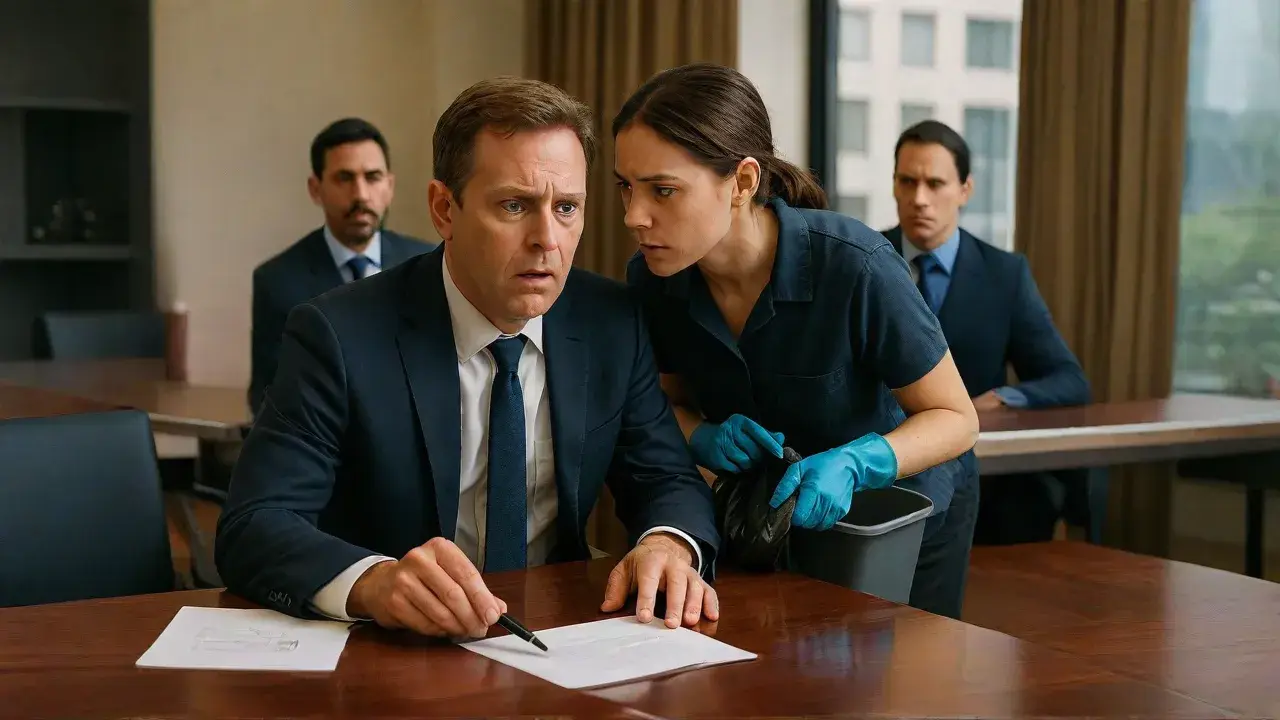
She is replaying the last three weeks, trying to pinpoint the exact moment everything went wrong. She knows the moment. Two weeks ago, Diana filed a formal complaint about Dr. Raymond Castellan, a surgeon with twenty years of tenure and an ego to match.
She’d watched him dismiss a patient’s symptoms. A man in his sixties complaining of chest pain and shortness of breath—the kind of textbook warning signs you learn about on day one of nursing school. Dr. Castellan had waved it off as anxiety, prescribed a sedative, and walked away.
Diana had insisted on an EKG. The doctor had refused. So, Diana went over his head.
The patient had a heart attack six hours later. He survived, barely, because Diana had quietly ordered that EKG anyway and caught the warning signs in time. She’d saved a man’s life by breaking protocol, and now she’s paying for it.
“I did my job,” Diana finally manages, her voice barely above a whisper. “I followed my training. I protected a patient.”
Mrs. Thornton’s expression doesn’t change. “You undermined a senior physician. You violated the chain of command. You created a hostile work environment.”
“I saved a man’s life.”
“You created liability.” The words land like a slap. Diana feels her chest tighten, her breath coming shorter.
Twelve years. Twelve years of double shifts and missed holidays and holding hands with dying patients because their families couldn’t get there in time. Twelve years of being the nurse other nurses called when things went wrong because they knew Diana didn’t panic.
Twelve years of putting this place, these patients, before everything else in her life. Gone. In fifteen minutes.
Mrs. Thornton picks up something from her desk: Diana’s hospital badge. The laminated card with her photo from three years ago, when she still smiled easily, before the exhaustion became permanent. “Your badge.”
Now, Diana’s hands shake as she reaches for the lanyard around her neck. Her fingers fumble with the clip. It takes three tries.
She finally gets it free and places it on the desk between them. The small plastic card looks so insignificant lying there. Such a small thing to represent everything she’s built.
“You’re suspended pending a full review,” Mrs. Thornton continues, her tone unchanged, unmoved. “Two weeks, unpaid. You’ll be notified of our decision. Security will escort you to collect your personal items.”
Diana wants to argue. She wants to scream. She wants to demand fairness, justice, some acknowledgement that she did the right thing.
But the look in Mrs. Thornton’s eyes tells her everything she needs to know. This decision was made before Diana ever walked into this office. She stands.
Her legs feel unsteady, like the floor has shifted beneath her. As she turns toward the door, Mrs. Thornton adds one final sentence, almost as an afterthought. “I’d start looking at your options, Diana. I don’t think you’ll be coming back.”
The door closes behind her with a soft click that sounds like a gunshot. What Diana doesn’t know yet, what she can’t possibly know as she walks out of that office with her career in ruins, is that this isn’t just bad luck. Someone has been watching her.
Watching how she cares for patients when no one else is looking. Watching how she fights for people who can’t fight for themselves. And this suspension, this devastating moment that feels like the end of everything, is actually the beginning of something she could never have predicted.
But first, Diana has to survive the longest walk of her life. The corridor stretches ahead of Diana like an endless tunnel. She’s walked these halls a thousand times.
Rushing to emergencies, guiding confused families to patient rooms, laughing with colleagues during rare quiet moments. Every tile, every doorway, every flickering fluorescent light is burned into her memory. But now, everything feels different, foreign, hostile.
She keeps her eyes forward, her pace steady, even though her legs feel like they might give out at any moment. Her ID badge is gone, leaving a strange weightless feeling around her neck, like a phantom limb. She clutches a small cardboard box to her chest, the contents of her locker.
A spare pair of scrubs. A coffee mug her niece gave her last Christmas. A photo of her mother from better days, before the diagnosis, before the medical bills started piling up like an avalanche Diana can’t outrun.
She passes the nurse’s station on the fourth floor. Three nurses she’s worked with for years stand huddled together, their voices low. One of them glances up, meets Diana’s eyes for a split second, then quickly looks away.
The other two don’t even acknowledge her presence. Diana keeps walking. At the end of the hall, two orderlies stop their conversation mid-sentence as she approaches.
She hears the whispers start the moment she passes. Not loud enough to make out words, but loud enough to know she’s the subject. Her cheeks burn, her throat tightens.
She keeps walking. This is what it feels like to be erased, she thinks. To go from essential to invisible in the span of an afternoon.
Her mind won’t stop racing. She replays the last twelve years like a highlight reel on fast-forward, searching desperately for the moment she took a wrong turn. Was it the time she questioned a medication dosage that turned out to be correct?
Was it the complaint she filed two years ago about inadequate staffing? Was it every single time she chose patient care over politics? Or maybe it was simpler than that.
Maybe she just wasn’t supposed to make waves. Maybe she was supposed to keep her head down, follow orders, and let the machine keep churning, even when the machine was failing. But that’s not who she is.
That’s not who she’s ever been. The thought offers no comfort. Principles don’t pay rent.
Integrity doesn’t cover her mother’s chemotherapy. Doing the right thing doesn’t keep the power company from shutting off the lights. Diana does the math in her head, a calculation she’s been avoiding all afternoon.
Rent is due in twelve days. She has maybe two weeks of savings if she’s careful. Her mother’s next treatment is scheduled for the end of the month, and insurance only covers sixty percent.
Diana was counting on her next paycheck to bridge the gap. Suspended. Unpaid.
For two weeks minimum, possibly forever. Her nursing license is next. She’s certain of it.
Mrs. Thornton’s final words echo in her mind: I don’t think you’ll be coming back. Which means a formal complaint will be filed with the state, which means an investigation. Which means even if she finds another hospital willing to hire her, she might not legally be allowed to work.
Twelve years of perfect evaluations. Twelve years of saving lives. And it all comes down to this.
Walking out of the place she dedicated her entire adult life to, carrying a cardboard box, and wondering how she’s going to survive the next month. She turns a corner and nearly collides with Dr. Patel, one of the few physicians who’s always treated nurses with respect. He stops, looks at her, looks at the box in her arms.
His expression shifts from confusion, to understanding, to something that might be sympathy. “Diana… I heard.”
“I’m fine,” she says quickly, not wanting pity, not able to handle kindness right now. “I’m fine.” She moves past him before he can say anything else.
The main lobby is just ahead now. Thirty more feet. Then she’ll be outside.
Then she’ll be gone. What Diana doesn’t know, what she can’t possibly imagine as she takes these final steps through a building that no longer wants her, is that in exactly three minutes, she’ll face a choice that will test everything she believes about who she is. Everything she’s built her entire career around.
Every principle she just lost her job defending. And it will happen at the worst possible moment, when she has absolutely nothing left to lose. Diana is ten feet from the main entrance when the world goes dark.
The blackout hits without warning. One moment the lobby is bathed in the harsh fluorescent glow of institutional lighting, and the next, everything plunges into shadow. The sudden silence is deafening.
Computers shutting down, ventilation systems dying, the constant electronic hum of a modern hospital simply vanishing. Then the emergency lights kick in, dim, red-tinged, casting everything in an eerie half-darkness that makes the familiar lobby feel like a completely different place. Diana stops.